








Key Takeaways
-
New Minimum Tax Base: Starting September 1, 2026, the UAE Ministry of Finance will enforce a minimum taxable value of AED 1 (Dh1) per millilitre (mL) for all e-liquids.
-
100% Excise Tax Baseline: The policy anchors the existing 100% excise tax to this new floor (e.g., a 10 mL bottle has a minimum taxable value of AED 10; 30 mL = AED 30).
-
Tax Base vs. Retail Price: This regulation sets a minimum baseline for calculating taxes, not a mandatory retail selling price for consumers.
-
Targeting Under-Invoicing: Designed to eliminate tax evasion via artificially low declared import prices, primarily impacting budget e-liquids and large-capacity disposables.
-
Regulatory Alignment: Harmonizes e-cigarette tax standards with traditional tobacco products while supporting national public health objectives.
Detailed Analysis & Market Impact
1. Policy Mechanics and Calculation Standards
Beginning September 1, 2026, the UAE Ministry of Finance will apply a mandatory tax calculation floor to all liquids used in electronic smoking devices, regardless of nicotine content. Under the UAE’s existing tax framework, electronic smoking products are subject to a 100% excise tax.
The new rule dictates that this 100% tax must be calculated using a minimum base value of AED 1 per mL. For example:
-
2 mL Pod: Minimum taxable base of AED 2 (resulting in at least AED 2 in excise tax).
-
10 mL Bottle: Minimum taxable base of AED 10 (resulting in at least AED 10 in excise tax).
-
30 mL Bottle: Minimum taxable base of AED 30 (resulting in at least AED 30 in excise tax).
Even if an importer or brand declares a product wholesale value below AED 1/mL, excise duties owed to the government will strictly be calculated against this baseline.
2. Tax Base Clarification & Anti-Avoidance Measures
A critical aspect of the announcement is the distinction between a minimum taxable value and a minimum retail price:
-
No Price Ceiling or Floor for Consumers: The government is not fixing consumer shelf prices. Retailers remain free to set their final selling prices.
-
Closing the Under-Invoicing Loophole: The policy directly targets under-invoicing—a practice where some importers declare artificially low wholesale prices on customs documentation to minimize excise tax liabilities.
By establishing an irreducible tax floor, the Federal Tax Authority (FTA) effectively eliminates this tax avoidance loophole, ensuring fair tax collection across all market players.
3. Commercial and Supply Chain Impact
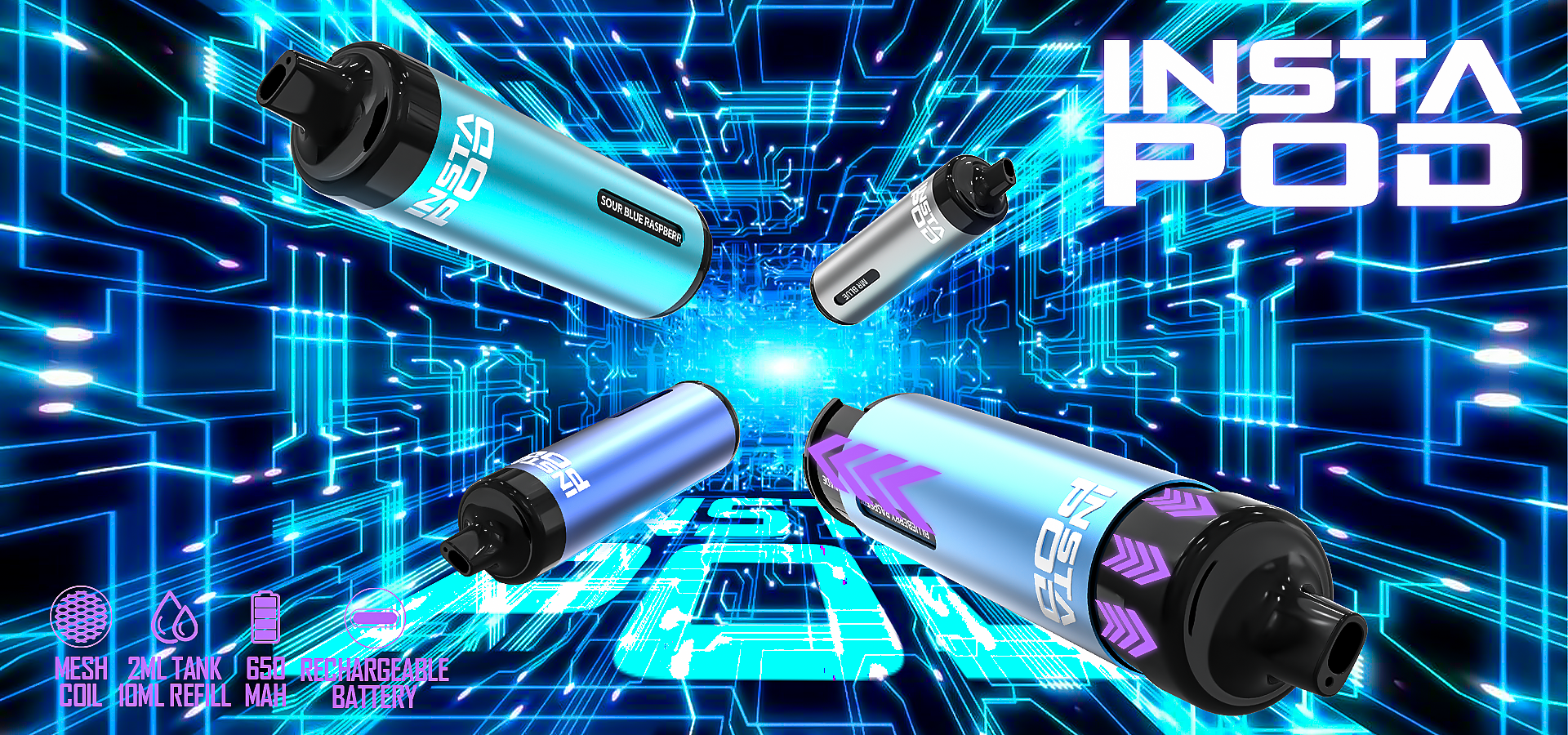
The implementation of a tax floor will disproportionately affect budget e-liquids and high-capacity disposable vapes (e.g., devices containing 10 mL to 20 mL of liquid):
-
Budget Products Face Cost Increases: Products that previously relied on high volume and low declared import prices will see a substantial rise in their tax burden, which will likely translate to higher retail shelf prices.
-
Minimal Impact on Premium Brands: Premium e-liquid brands whose declared values already exceed AED 1/mL will experience little to no disruption.
-
Level Playing Field: The reform favors transparent, fully compliant businesses, gradually squeezing out grey-market operators who relied on price distortion.
4. Strategic Alignment and Future Outlook
This policy aligns the UAE’s e-cigarette tax regime with rules already established for traditional tobacco products like cigarettes and shisha. Beyond fiscal goals, the tax floor aligns with the UAE’s public health strategy by reducing the financial accessibility of cheap, high-volume vaping products to youth and non-smokers.
Compliance Checklist for Businesses
As the September 1 deadline approaches, manufacturers, exporters, and local distributors operating in the UAE market should take the following steps:
-
Audit Product SKUs: Review the liquid capacity (in mL) for all active SKUs in your portfolio.
-
Recalculate Landed Costs: Adjust duty calculations for 100% excise tax + 5% VAT based on the AED 1/mL baseline.
-
Update Customs Documentation: Ensure all customs and commercial invoices clearly and accurately declare the liquid volume per unit.
-
Review Retail Pricing: Re-evaluate margins and pricing strategies for budget lines before September 1