




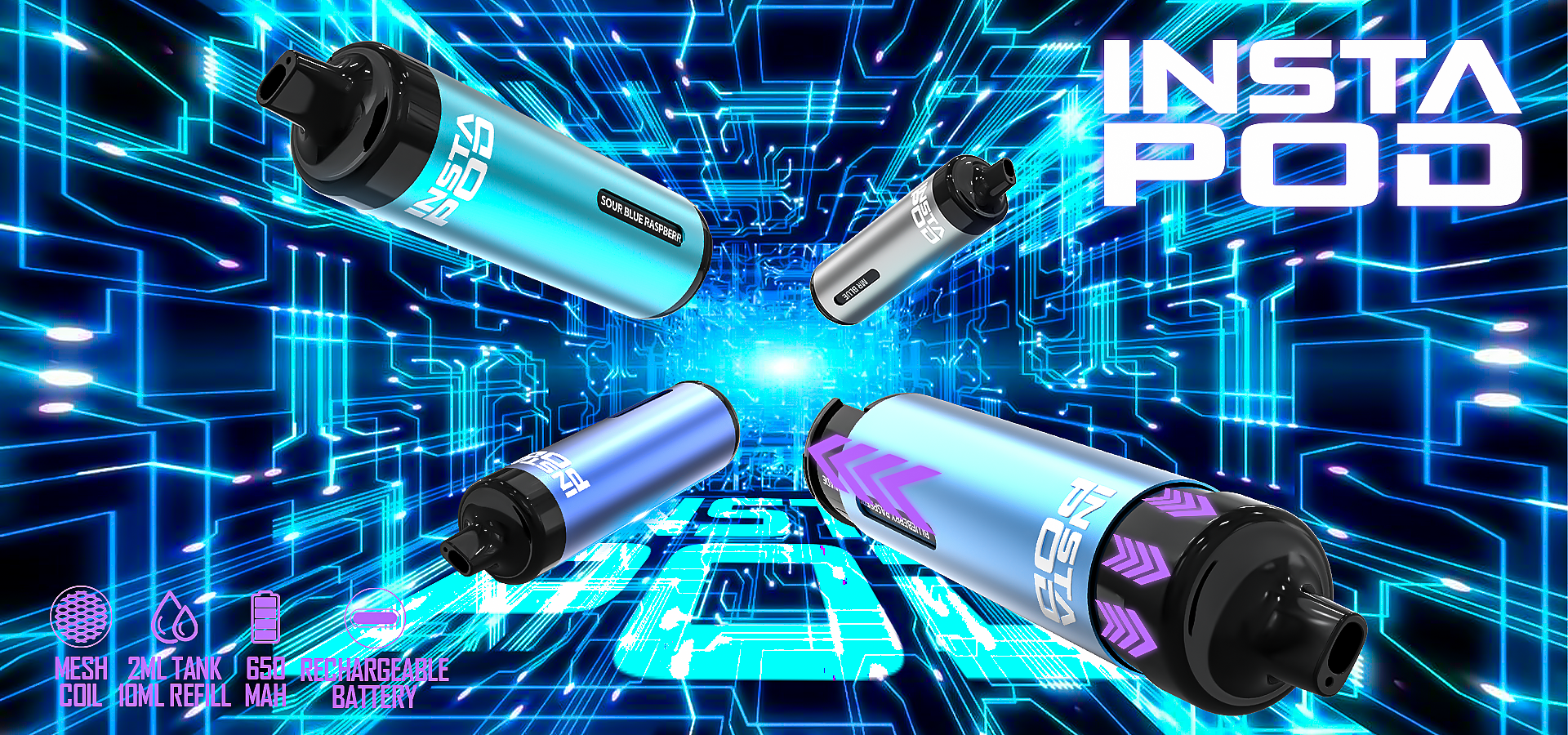

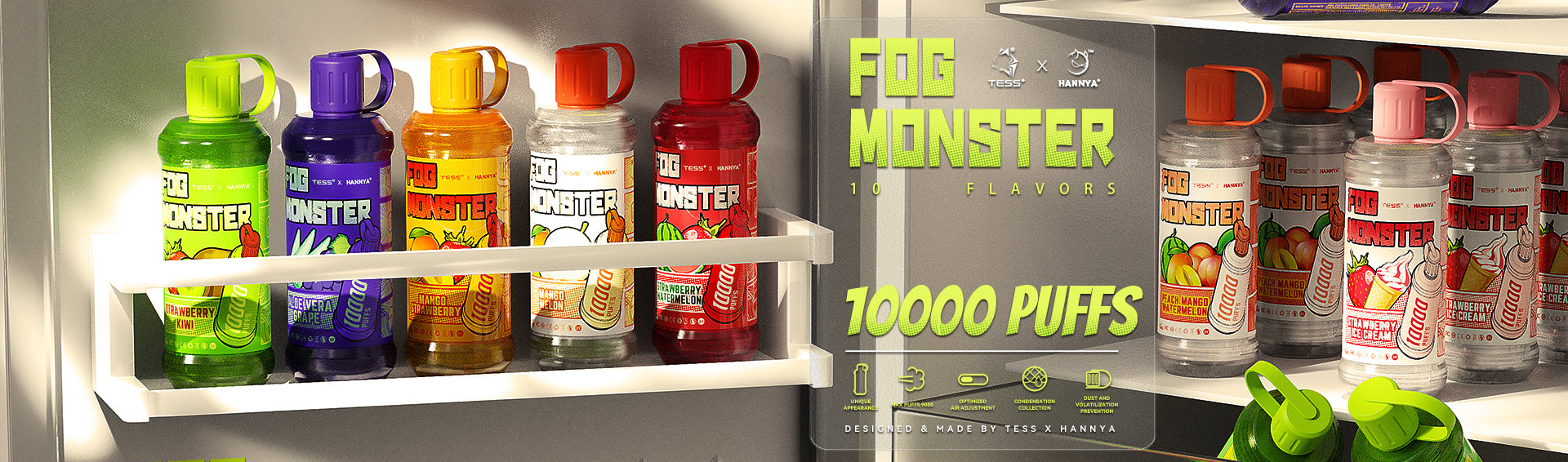


On 10 July 2026, the UK Government officially launched a UK-wide public consultation aimed at reducing the appeal of e-cigarettes to minors.
The consultation seeks views on proposals relating to vapes and nicotine products, including:
-
Introducing plain white packaging with restrictions on text colour, imagery, branding, and standardised safety information.
-
Limiting flavour names to simple, descriptive terms (e.g. "apple"), prohibiting conceptual or sensory names as well as names associated with confectionery, desserts, and alcohol.
-
Requiring e-cigarette device manufacturers to produce products in white, black, or grey, with no patterns, restricted branding, no decorative lighting, and screens displaying only safety information (e.g. battery level).
-
Applying the same display restrictions to e-cigarettes in shops as those currently in place for tobacco products.
Proposals relating to tobacco products include:
-
Extending existing plain packaging requirements and health warnings for cigarettes to all tobacco products, herbal smoking products, cigarette papers, and heated tobacco products.
-
Including positive stop-smoking support messages on all tobacco products, including cigarettes, hand-rolling tobacco, herbal smoking products, and heated tobacco products.
-
Extending existing tobacco display restrictions to all tobacco-related products, cigarette papers, and herbal smoking products.
-
Removing current display exemptions for loose tobacco retailers, including duty-free shops and airports, meaning tobacco products will be prohibited from being displayed at these locations.
-
Restricting the colour of heated tobacco products to the same dark brown as tobacco packaging, with no patterns, limited branding, no decorative lighting or screens, with screens displaying only safety information (e.g. battery level).
The consultation is being conducted jointly by the UK Department of Health and Social Care (DHSC) together with the Scottish, Welsh, and Northern Irish Governments. It aims to reduce the appeal of e-cigarettes to young people through standardised packaging, colour restrictions, regulated flavour naming, and concealed retail displays — creating a healthier future for children and young people.